Are you scared of your first mammogram? Most women feel nervous before the visit. Friends tell horror stories about flat, squeezed breasts. The truth is much calmer than the rumors. The whole exam takes under 30 minutes.
This guide shows what to expect at a mammogram. You will learn what to wear and what to skip. You will also learn what happens after you leave. Some nerves are normal, and a little prep helps.
How a Mammogram Visit Works
Let’s start with the basics. What to expect at a mammogram is simple. It only takes four steps. You check in and change into a gown. A technologist places one breast on a flat plate. A clear plate presses down for a few seconds.
Then you move to the next angle. The squeeze feels tight, not sharp. A radiologist reads your images later. Most women walk out within 30 minutes. Many say the worry felt bigger than the exam. I agree. Fear of the unknown hurts more than the squeeze. Knowing each step removes most of the fear.
Before Your Appointment
Preparation is key. Here are five things to take care of before heading out for a mammogram. Most of these should take less than five minutes.
- No Deodorant: Lots of women ask about not wearing deodorant. Like antiperspirants, deodorants can appear on X-rays. Doctors may think they are cancerous masses. Just remove it if you wear it. Most clinics give out wipes.
- No Caffeine: Some clinics say no to caffeine before mammograms. Some women say it makes breasts feel more tender, but there is no evidence to support this. Feel free to drink water or other caffeine-free beverages, if you wish.
- Off Peak: The least painful time to get a mammogram is one week after your period. During this time, your breasts are least tender and least swollen. The swelling makes your breasts larger and more irritated. Get a week off from work and you will be more comfortable.
- Two-Piece Clothing: You will need to undress from the waist up. Leave your necklaces at home. Wear earrings if you wish. Avoid wearing contacts, if you have them.
- Get Records: Bring your medical records and radiology reports, if you have them. They may wish to compare them to your new mammogram. Write down your questions and concerns. You may wish to take a friend or family member with you for support, if you are anxious.
What Happens During the Exam
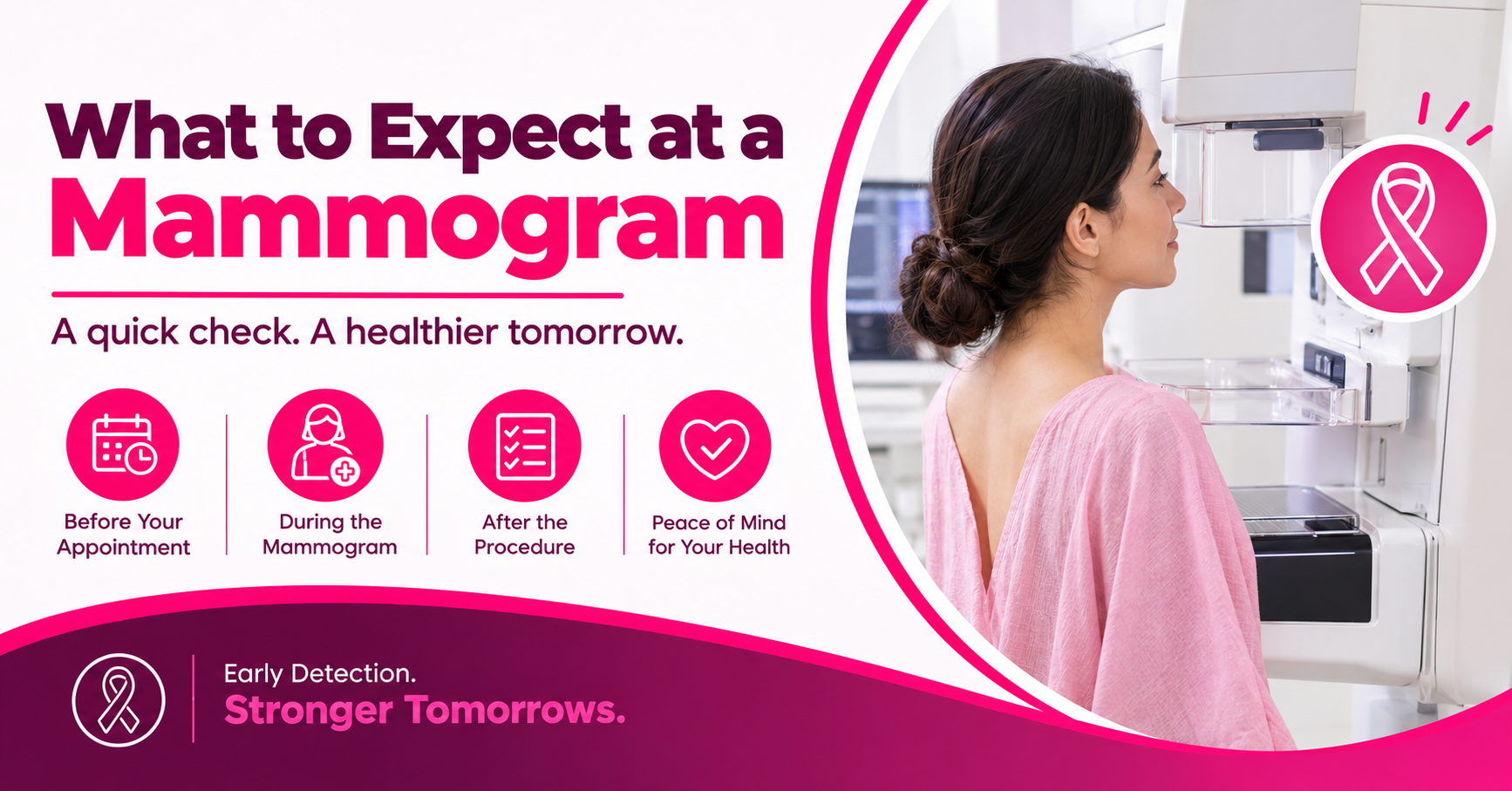
The exam moves fast, often under 30 minutes. Stories differ from friend to friend. So what to expect at a mammogram feels unclear. Here is the real play-by-play.
The gown and the room come first. A technologist leads you to a private room. You undress from the waist up and wear a gown. Only you and the tech stay inside. The tech asks about your health history. Mention every lump or change you noticed. Small details help the radiologist.
Next comes the squeeze. The tech places one breast on a flat plate. A second plate presses down for a few seconds. It feels tight, like a firm hug. Some women feel a pinch. Tell the tech right away if it hurts. You hold your breath for each picture. Relax your shoulders and breathe out slowly. Tense muscles make the squeeze feel worse.
Then come the pictures. Each breast gets two views. One comes from above, and one from the side. Women with dense breasts often need extra views. Then you dress and the tech checks the images. If a picture looks blurry, the tech retakes it. Retakes are routine and signal no problem.
Special Situations to Plan For
Some women face extra questions. Planning ahead keeps what to expect at a mammogram clear. Here are five common cases.
- Mammograms with Implants: More X-rays are needed for your test. The technician will move your implant to capture other images. It’s best to inform the staff of your implants when your appointment is scheduled.
- Pregnancy: Screening is postponed until after you deliver. Any finding of a mass is considered an obstetric emergency. Belly images are performed to protect you and your baby from unnecessary radiation exposure.
- Nursing: It is safe for your baby to undergo X-ray exposure. It is best to empty your breasts prior to the exam for best imaging.
- Piercing: All body piercing jewelry should be removed prior to any X-ray studies. Tattoos and other body art do not prevent the X-rays from passing through the body.
- Vaccines: The recommendations for scheduling your COVID-19 vaccination and mammogram are not to be on the same day. Lymph node swelling from the vaccination can cause a false positive on your mammogram.
After Your Mammogram
You walk out and the exam is done. Now what to expect at a mammogram shifts to waiting. Results often arrive in three days, but some take 10. Here is what you might feel and hear.
Soreness is common and it surprises many first-timers. Your breasts took pressure, so a dull ache makes sense. Some women feel soreness after a mammogram. It fades within a day or two. A warm shower or a loose bra helps. Call your doctor if pain lasts longer. Sharp pain in one spot also needs a call. So does a new lump. Pain a week later deserves a check, not worry.
Your results come next. A radiologist reads your images. The report goes to your doctor. Most clinics also mail you a letter. Only about 3 in 1,000 screens find cancer. Most women hear normal news.
A callback sounds scary, but it happens often. About 10 in 100 women return for more pictures. About 6 of every 10 called back have normal results. A callback does not mean cancer. It means the radiologist wants a closer look. Dense tissue and old scans often cause it. Book the follow-up fast and bring a friend for support.
When Should You Start Screening?
Most guidelines say to start at age 40. A family history of breast cancer changes the timing. Talk with your doctor sooner. Cost keeps many women away. I have seen women delay screening over a bill. Waiting costs far more than the exam. Knowing what to expect at a mammogram removes the fear. Funding removes the bill. Without insurance, learn how to get a mammogram without insurance. Ask your doctor how often to go. Your risk, age and family history set the schedule. Most women return every one or two years. Mark the date on your calendar before you leave. Set a reminder on your phone too.
How Eaessi Can Help
Cost should never stop a screening. EAESSI is a nonprofit near Spotsylvania, VA. We pay for free mammograms. They cover uninsured women ages 39 to 64. We serve Northern Virginia. You don’t need a referral to apply. Start with the free mammogram application.
It asks for your age, ZIP code, and income. We check your eligibility and book your visit. We also cover the cost. Your screening stays private and judgment-free. Our team stays with you from application to appointment. Early detection saves lives. We want you screened early. We explain what to expect at a mammogram first. Notice a change in your breasts? Read our guide to early warning signs. Need more pictures? Read about our free diagnostic testing. Questions? Call us at (706) 294-9100, or visit our contact page.
Conclusion
A mammogram takes less time than a lunch break. The squeeze lasts seconds. The peace of mind lasts much longer. Short version: what to expect at a mammogram is quick. Prep a little. Skip the deodorant. Tell the tech your worries. Good techs love questions. Ask about the machine, the pressure, and your results. A newer 3D machine often feels gentler. If cost holds you back, call EAESSI at (706) 294-9100. See how we help uninsured women. You deserve a screening and you deserve real answers. Book yours this month. Tell a friend to do the same.
Frequently Asked Questions
What should I expect at a mammogram?
What to expect at a mammogram is simple. You undress from the waist up. Each breast gets two pictures. The visit takes under 30 minutes.
Does a mammogram hurt?
Most women feel tight pressure for a few seconds. It feels like a firm pinch, not lasting pain. Soreness fades within a day or two.
Should I wear deodorant to a mammogram?
No. Skip deodorant, lotion, and powder. They show as white dots on X-rays. Dots cause false alarms. Wipe them off before your scan.
How soon do I get results?
Most clinics send results in about three days. Some take up to 10. A callback for more pictures does not mean cancer.
How do I get a mammogram without insurance?
Apply with EAESSI if you are between 39 and 64. We pay for eligible uninsured women. You apply on our website, with no referral needed.