How to Do a Breast Self-Exam at Home
Have you ever felt unsure if you were checking yourself the right way? Learning how to do a breast self exam at home clears up that confusion completely. Many women skip this habit because they worry about missing something or doing it wrong.
Table of Contents
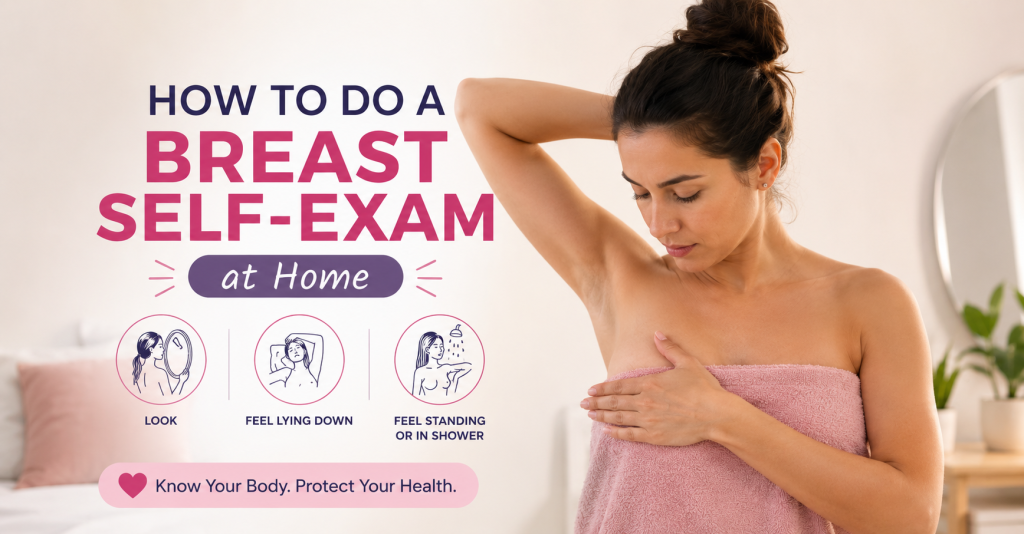
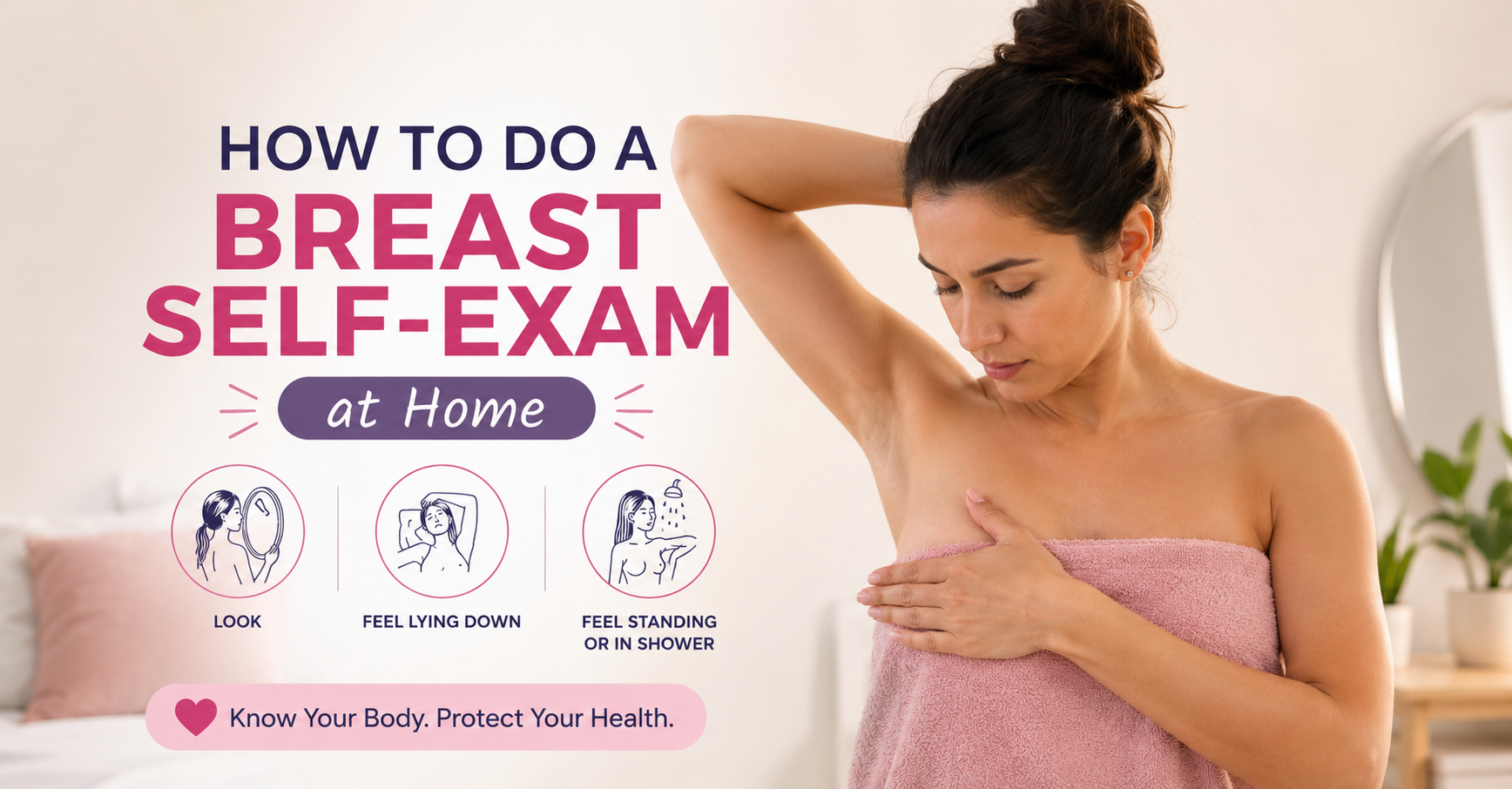
ToggleDoctors say a few simple steps make the whole process much easier than it seems. Your monthly check involves looking in the mirror, feeling while lying down and feeling in the shower. Timing matters too, since checking a few days after your period gives the clearest results.
Getting familiar with your normal tissue helps you spot true changes faster later on. This guide walks you through each step so you feel confident every single time. You will also learn exactly which changes mean you should call a doctor right away.
Step 1: Look in the Mirror
Visual checks help you spot skin shifts or shape changes easily. Stand in front of a mirror in a well-lit room.
- Standing at rest: Take off your shirt and bra. Stand or sit with your arms resting at your sides. No-cost screening programs keep care accessible for everyone.
- Observe shape shifts: Look at the size, shape, and color of your breasts. Sliding-scale medical fees reduce clinic bill stress.
- Check skin surface: Check for any skin dimpling, swelling, or changes in your nipples. Mobile mammography units bring care to local towns.
- Raise both arms: Raise both arms high above your head and look for those same changes. Subsidized diagnostic imaging covers advanced tests.
- Flex chest muscles: Put your hands hard on your hips and press down to flex your chest muscles. Look for any skin pulling or puckering. Free breast cancer checks protect your wellness.
Step 2: Feel While Lying Down
Lying flat spreads breast tissue evenly across your chest wall. This position makes underlying lumps much easier to feel.
Position Your Body
Lie down flat on your back. Put a pillow under your right shoulder. Place your right arm behind your head. This spreads out your chest tissue evenly.
Hand and Finger Technique
Use the flat pads of the three middle fingers on your left hand to check your right breast. Keep your fingers flat and together. Move your fingers in small, dime-sized circular motions.
Cover the Whole Area
Cover the entire breast area from your collarbone down to your bra line. Move from your armpit across to your breastbone. Use three levels of pressure: light, medium and firm. Gently squeeze your nipple to check for any fluid or discharge.
Step 3: Feel While Standing or in the Shower
Soap and water lower skin friction during your check. Slippery skin lets your fingers glide smoothly over tissue.
- Shower setting: Check your breasts while standing up in a warm shower. Reduced-cost community drives offer local support.
- Soapy skin advantage: Wet and soapy skin in a warm shower makes it easier to slide your fingers over the tissue. Standard 2D imaging reveals internal shifts.
- Circular motion: Use the same circular pattern and finger-pad pressure as when you were lying down.
- Check armpit area: Make sure to check all the way up to your armpit for firm knots.
- Switch sides: Repeat every single step carefully for your left breast using your right hand.
Recognizing What Changes to Watch For
Knowing what normal tissue feels like helps you spot true warning signs. Call a doctor if you find new lumps.
Lumps and Firm Knots
Most breast tissue feels naturally ridge-like or bumpy. A new hard lump that feels different from the surrounding tissue needs medical evaluation. You can learn more about tissue structures in mammography.
Skin Texture Changes
Dimpling skin that looks like an orange peel and a red skin rash that is warm to the touch need to be checked out by a doctor quickly.
Nipple Shifts and Discharge
Nipples that turn inward suddenly signal underlying tissue shifts. Spontaneous fluid discharge or bloody spotting requires immediate medical evaluation.
Finding Clinical Care Without Health Insurance
Home exams never replace professional clinical checks or annual mammograms. Women without health insurance can still get complete care.
Financial worries should never stop you from getting tested. Government grants and non-profit funds cover full screening costs for eligible residents. Uninsured women ages 39 through 64 get free tests without paying out of pocket. Local clinics handle fast applications to make care simple.
How EAESSI Can Help You with Your Breast Health
EAESSI helps women ages 39 through 64 get complete breast checks at zero out-of-pocket cost. We remove money hurdles so you can focus on staying healthy. Money or a lack of health insurance should never stand between you and your safety. Our breast cancer screening grants remain completely private and judgment-free.
You bring your health worries and we provide clear answers, full appointment setup and complete support. Finding health issues early gives you the best defense shot. We cover your entire testing bill, so you receive proper medical care without delay. Check out our Free Mammograms service page or explore our Women Preventive Health options to secure your fully sponsored health screening today.
Taking Action for Your Long-Term Wellness
Learning how to do a breast self-exam at home gives you full control. Perform your check once every month after your period. If you spot a lump, stay calm and call a doctor. Free grant funds exist to cover all your clinical test bills.
Frequently Asked Questions
How to do a breast self-exam at home correctly?
Look in a mirror for skin shifts. Feel tissue while lying down using circular motions. Repeat while standing in the shower.
When is the best time for a home check?
Check your breasts once a month. Pick a time three to five days after your monthly period ends.
What should I do if I find a lump?
Stay calm because most lumps are harmless cysts. Schedule an appointment with a doctor for a professional check.
Can a self-exam replace a regular mammogram?
No, home checks complement annual mammograms. Mammograms catch tiny internal spots long before you feel them.
Can I get a free mammogram without insurance?
Yes, programs from groups like EAESSI cover full test costs for uninsured women ages 39 through 64.